
Truth, The Ultimate Luxury
In a world of disinformation and media silencing, detecting truth and accuracy is becoming more and more difficult.
Words by Jamie McFadden
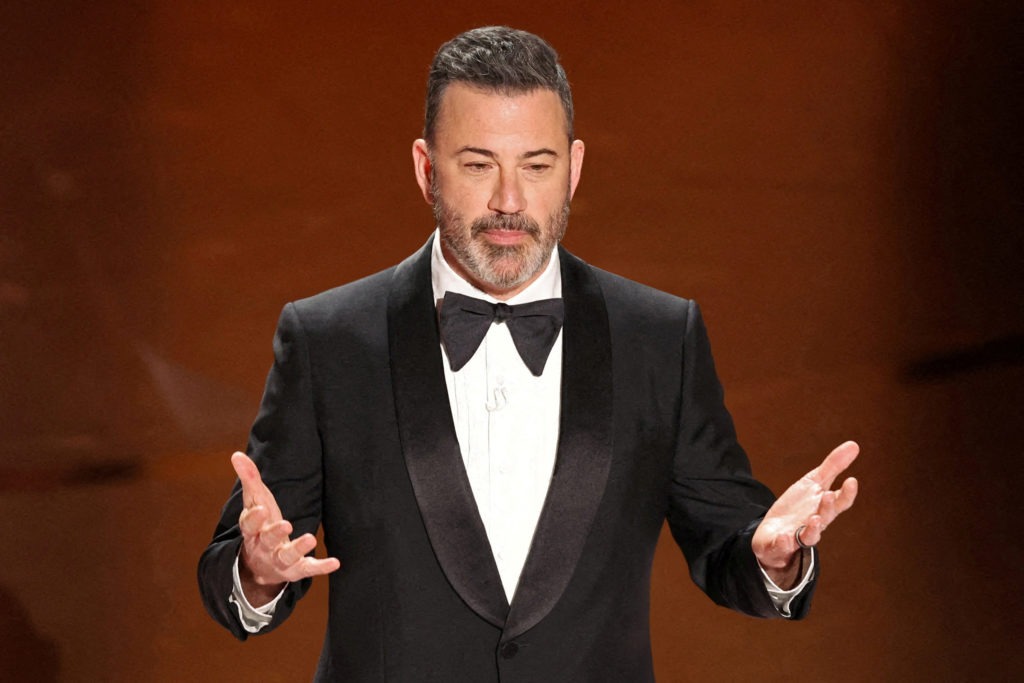
Let’s be honest, we’re drowning in information. But the truth? That’s starting to feel like a rare vintage. It’s as if the market has been flooded with convincing fakes, making the real thing harder to find and more valuable than ever. You can see it happening in real time. It’s there in the unsettling silence after a voice like Jimmy Kimmel’s is pressured off the air for the unique approach to comedy that has established him as an international favourite. You can feel it in the increasing frequency of media conglomerates and international entities acquiring legacy news outlets, a shift often framed as business strategy but deeply entangled with who ultimately controls the narrative. These aren’t just news items; they are tremors along the fault lines of our shared reality.
For those of us who are deliberate about what we let into our lives – from the cut of our clothing to the provenance of our furniture – this presents the ultimate test of discernment. When the very pillars of a free press are being chipped away, truth isn’t just being hidden. It’s being turned into a luxury item. And knowing where to find it, and having the will to support it, is becoming the most critical sign of a sophisticated mind.
Think about what makes something a true luxury. It’s not just the price tag. It’s the scarcity, the craftsmanship, the story, the integrity behind it. It’s the antithesis of the mass-produced. Now, look at your news feed. It’s a bustling, chaotic marketplace of hot takes and algorithmically amplified outrage – the fast fashion of ideas. Meanwhile, the painstaking work of investigative journalism – the kind that requires shoe leather, deep sources, legal teams and sheer guts – is becoming the equivalent of a hand-stitched, limited-run masterpiece. It’s slow, expensive, and increasingly rare. The pressure on media, from US late-night shows to legacy newspapers, is an assault on these last ateliers of fact.
A trained eye can spot quality a mile away. The way a jacket drapes, the weight of the paper in a programme, the brushstroke on a canvas. We need to cultivate that same eye for the information we consume. The unchecked dominance of social media platforms isn’t just a cultural shift; it’s a lesson in the perils of equating viral engagement with actual fact. Understanding that nuance – the critical distinction between an algorithm’s suggestion and a journalist’s verified report – is the new literacy.
And what happened with Kimmel? That wasn’t just showbiz gossip. It was a flare in the night, signalling that the space for holding power to account is shrinking. The playbook is simple: make the truth inconvenient, then controversial, then supposedly obsolete. For an audience that prizes authenticity in every object they own, accepting a sanitised, palatable version of events should feel like a profound compromise of taste.
There was a time when cultured society understood the role of the patron – the individual who used their resources to support artists and thinkers, ensuring that vital work saw the light of day. That impulse is needed now more than ever. Supporting a free press isn’t a passive act. It’s an active choice. It’s the conscious decision to pay for a subscription to a newspaper that still runs corrections, to value a platform that privileges evidence over echo chambers, to recognise that this isn’t a subscription fee, it’s a stake in the intellectual health of our society.
In a world that constantly tries to sell us a curated fantasy, the most radical luxury is clear-eyed vision. It’s the ability to see the world as it is, not as you’re told it is. The fight for a free press, then, isn’t someone else’s political problem. It’s the foundation upon which all other discerning choices are built. Because if we can’t agree on what’s real, how can we possibly decide what’s truly valuable? In the end, the most refined investment you can make is in the truth. It remains the ultimate signature piece.


