From Bean to Barista and Beyond
Chances are, your daily coffee fix is as well-travelled as it is much-needed. La Marzocco probe a few of their trusted roasters about their far-out journeys into the weird and wonderful world of speciality coffee
words by Will HALBERT
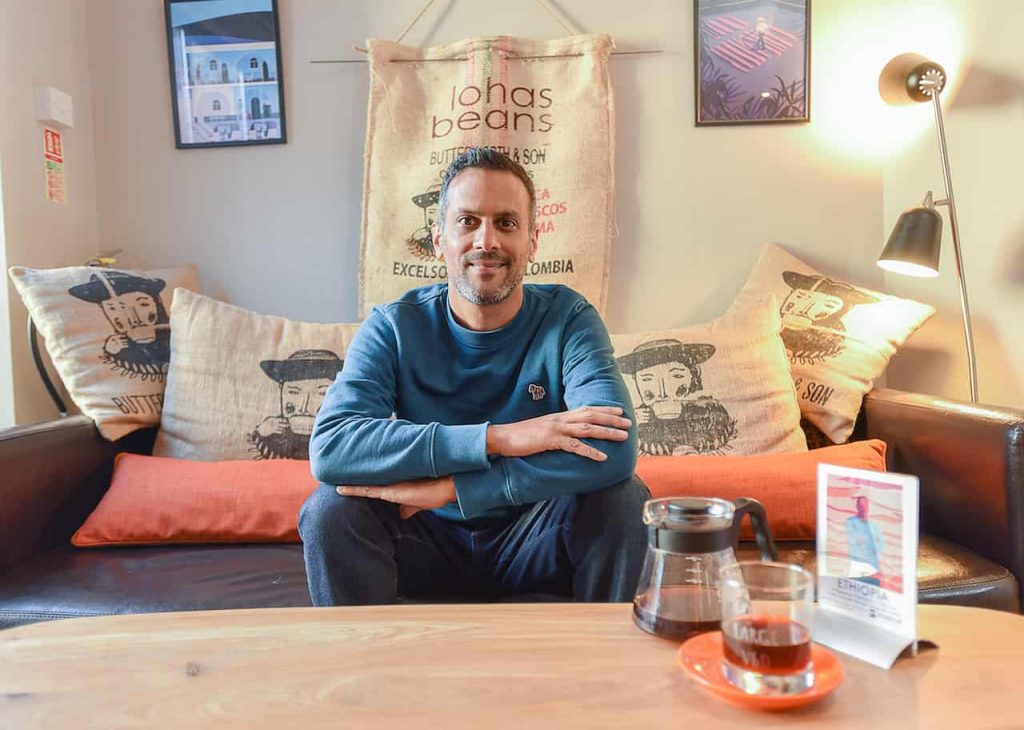
Rob Butterworth
Butterworth & Son Coffee, Suffolk
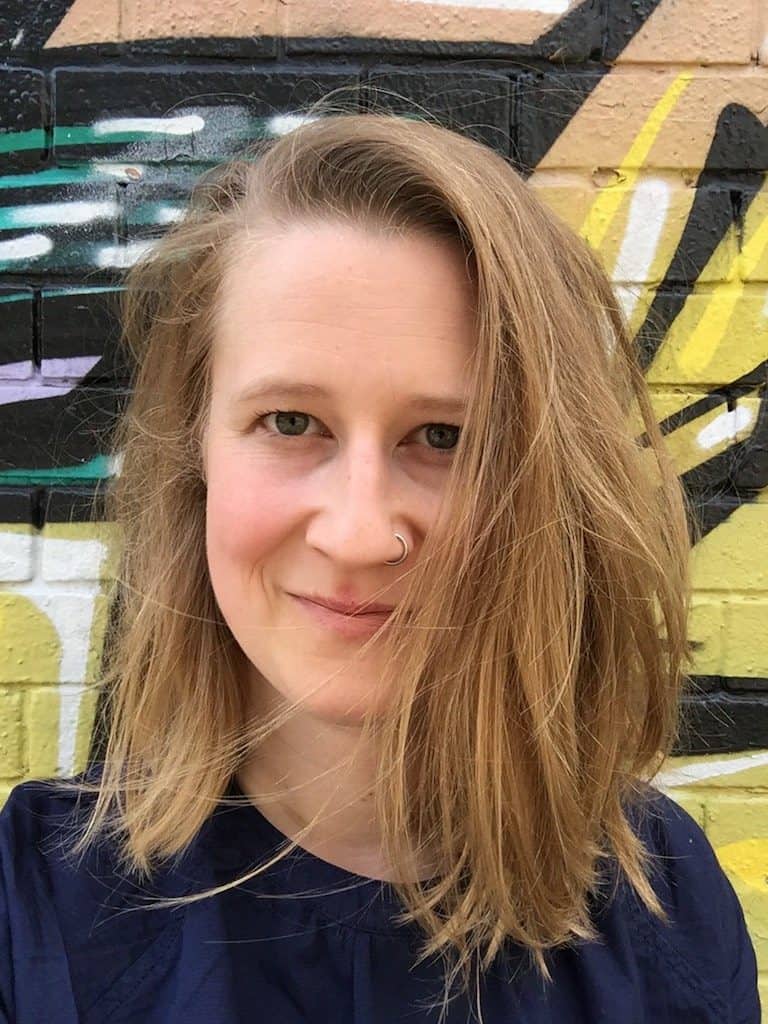
Tereza Vertatova
Curve Coffee Roasters, Margate
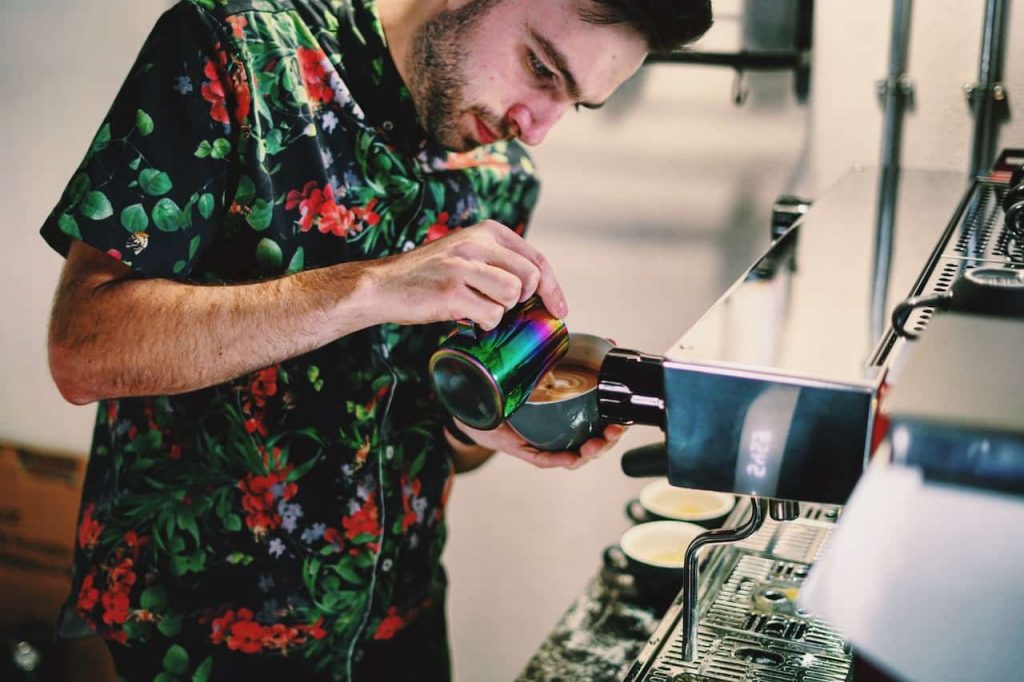
Scott JAMES
Coaltown Coffee Roasters, Ammanford
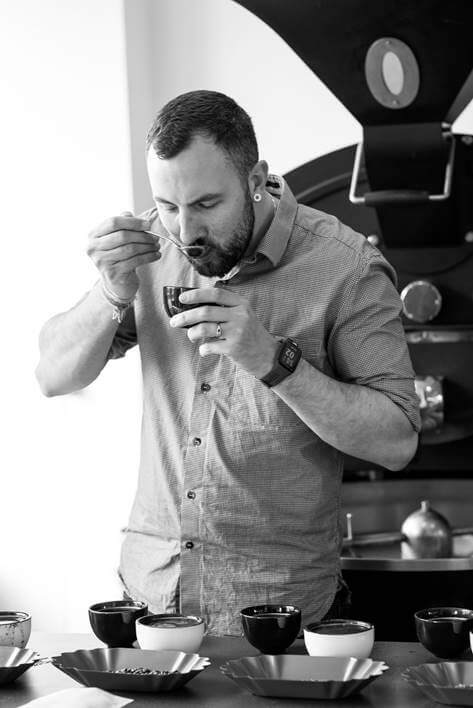
Nathan RETZER
Quarter Horse Coffee, Birmingham
Nicole Ferris
Climpson & Sons, London
It should come as little surprise, but La Marzocco aren’t just trusted purveyors of superlative coffee machines, they’re also the prime instigators of the deep conversations to be had around them. Speaking to a few of their leading roasters from across the country, La Marzocco get the lowdown on the long, rich journey of everyone’s favorite pre-work/post-work pick-me-up. EJ
How closely do you work with coffee farmers to source your coffee beans? Have you ever travelled to any of the farms yourselves?
Nathan RETZER, Quarter Horse Coffee, Birmingham: There are a few farmers and co-ops that we have worked with since we started. Last year, I went to Peru and sourced our first small-batch, high-grown coffee from a farm owned by Don Saul. Between us and another roaster we bought all of it. It was great to see where the coffee was grown, choose it based on quality, and have lunch with the family that had put so much work into it.
Scott JAMES, Coaltown Coffee Roasters, Ammanford: We work alongside dedicated origin partners who work closely with our producers, implement sustainability incentives and ensure all lots attract traceable and verified. As a roastery, we only presume the highest quality lots scoring at a minimum of 83.
Nicole Ferris, Climpson & Sons, London: We have partnerships with our producers. This month, we are taking a couple of customers to Daterra Estate in Brazil to showcase what they do there. It is an invaluable experience to see the work that goes in at origin to create high quality coffee. Personally, I’ve traveled to Guatemala to see an example of a sustainable coffee farm in practice. It was such a magical place and a very eye-opening experience to see the tireless effort to create an ecosystem where coffee thrives along with the people involved in it. We had the opportunity to go bird watching at 4 am by going off roading in a jeep then climbing up at altitude to near the top of Volcan Atitlan – it had incredible views.
Tereza Vertatova, Curve Coffee Roasters, Margate: We try to work as closely with producers as we can and always ensure all the coffees we buy are fully-traceable all the way to the source. Given the size of our company and team, we can only do this with the help of our trusted importing and exporting partners. Last year, we travelled to Guatemala to visit producers whose coffees we buy along with our partners, Primavera Coffee. We’re currently planning a trip to Peru along with Falcon Speciality at the end of the month, and then to Colombia later
in Autumn.
Prior to running Curve, I spent some time on a farm in Brazil, where we now source our Brazilian lots from. One by one, we’d like to visit all the places we buy coffees from, it’s a work in progress. Travelling to origins and meeting with producers is probably the best thing about running this business, it’s so interesting and rewarding for both sides – us and the producers. It’s the only way to really understand the process and get a personal connection with the product we’re working with. One of the best moments we’ve had since starting this was when we brought a bag of roasted coffee to its grower (El Rancho farm in Guatemala) and he felt so proud, and gathered the whole family to come and meet us and take pictures.
Rob Butterworth, Butterworth & Son Coffee Roasters and Tea Smiths, Suffolk: We pride ourselves in working as directly as possible with farms and co-ops at origin, I’ve visited, Kenya, Peru, Jamaica, Indonesia and Guatemala on many occasions on the quest for quality coffee. As one of the first roasters to champion Peruvian speciality coffee as an origin in it’s own right, I was awarded a trip to Peru by the Peruvian Agricultural ministry to visit the regions and co-ops I purchased from over the years.
How important is the concept of terroir when it comes to coffee? Will beans from a particular region impart a particular flavour? Do you as a roastery prefer a particular region/country?
Nathan: Terroir is very important when it comes to coffee. Microlots can show how much of a difference in flavour and quality can exist on the same farm. Every region is different, even within the country, and there are so many factors that can affect flavour. When someone says ‘I don’t like Colombian coffee’, it just doesn’t make sense. The coffees from Colombia can be so wildly different. You can have a sweet chocolate flavour, or a bright and light citrus flavour. The country is too blunt of an instrument. We try to get a large variety of flavours in the roastery, and we don’t pay too much attention to the country, but give more weight to what is in the cup.
Nicole: We select different regions for different flavour profiles that then compliment whether we are serving for espresso, filter or adding milk. So terroir is really important. For example, Guatemalan coffees are a great all-rounder with medium body and acidity, and chocolate, caramel, pear notes. Kenyan coffees on the other hand are typically grown at high altitudes, so you notice the acidity and complexity of the cup with tea like, berry, and bright citrus notes. We love Kenyan coffee for filter in particular, and Guatemalan makes not only great batch brew but espresso and milk-based drinks as well.
Tereza: Terroir is incredibly important! That’s exactly what we’re trying to put forward: how different flavours in a coffee can be depending on where it comes from, how high it was grown, how it was processed, etc. Even coffees grown within one farm or a mountain can have a very different flavour profile if they’re grown at different altitudes or are differently processed after they’ve been harvested. That’s what’s so exciting about coffee!
At Curve, the way we source our coffees and compose our offer list is based on seasonality, so that we always have fresh coffees from a small number of origins. It’s always exciting to get fresh coffee arriving from most recent harvests, especially from places been working with for a few years now (in Guatemala or Ethiopia). It’s interesting to see and taste what a particular year’s harvest brings, what improvements have been made or what particular challenges producer has to face etc.
Rob: For our signature 4Bean Blend™ we stick to 4 origins and within those origins the same regions. We want to provide our customers with a consistently awesome product and buying coffee for this blend that has the same flavour profiles is everything. We run a programme called Coffee of the Moment which features coffees of different processes, origins, single varietals etc and these change every 3-5weeks. We produce special artwork and marketing material for these coffees and this programme is all about championing new coffee and introducing the consumer to something different and possibly out of their comfort zone.
Do you think consumers are more interested in the journey behind their coffee nowadays?
Nathan: I do think so. We get a lot of questions from our customers about where the coffee comes from and why it is so different. People can see that we roast it in-house, but they know there is more to the story. The stories behind different coffees are normally exotic and people-focused, something that consumers can really get behind.
Scott: Absolutely. We have a vary varied demographic that visit our roastery, from teens, to 60-year-old ex-miners, to families on a day trip, all of whom have a keen interest in the preparation and backstory behind each cup.
Nicole: As specialty coffee becomes more mainstream, consumers are becoming ever more conscious in their buying habits. They are choosing to buy local or independent or seek out flavour through speciality coffee. They are also asking questions about coffee origins, where it is grown and how that impacts the flavours. If this information is delivered in an accessible and interesting way, consumers appear to be more engaged.
Tereza: Certainly, and it’s so great to see. We host public cuppings every month and run a few different private classes. The attendees’ main motivation for coming is usually that they want to learn more about the product they consume every day and find out about its origins and the processes involved in preparation. It’s so good to see the reactions when they realise there’s so much more to it that they initially thought and gain respect for speciality coffee and its growers.
Rob: Thanks to the information available on the internet compared to what was around at the conception of the Third Wave, the consumer can research all aspects of specialty coffee and connect with like-minded folk to learn and discuss their experiences too. It’s a pretty exciting time for coffee.
For more information on La Marzocco UK & Ireland head to uk.lamarzocco.com