Pre-Industrial Food for Thought
Douglas McMaster, Chef-Founder of Silo London talks us through his own, personal philosophies on the subject of sustainability
interview by Will HALBERT
Firstly, what does the term ‘sustainability’ mean to you personally? For me personally, it means giving back to nature as much as we take away. I hope this is ubiquitous.
Tell us a little about how the idea for a zero waste restaurant came about?
I worked with an artist in Australia called Joost Bakker, the idea of not having a bin was his, I was just at the right place at the right time, and it all spiralled from there.
Silo is said to adhere to a ‘pre-industrial food system’. What exactly do you mean by that?
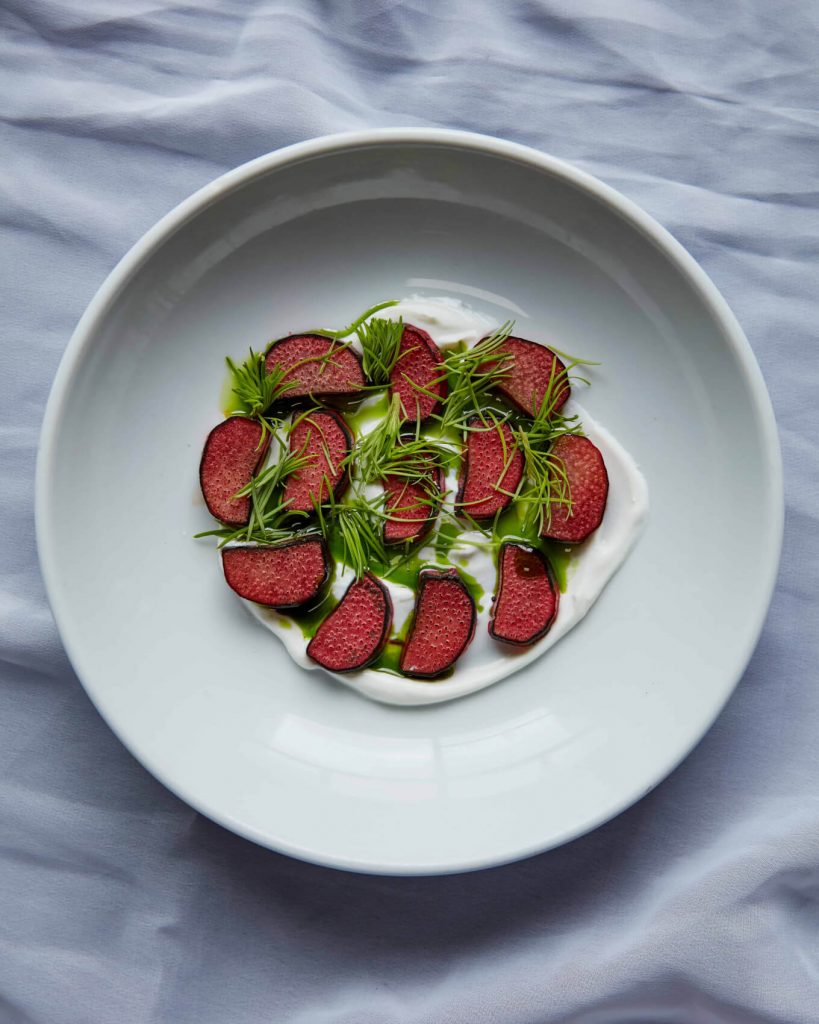
It essentially boils down to a ‘natural food system’, because industrialism in and of itself isn’t natural. For me, the penny dropped when trying the whole ‘not having a bin’ thing i just mentioned: We had to make butter from cream and mill whole wheat. We had to trade with farmers and compost our own waste. I wanted to articulate exactly what was unique about this system; the common denominator was that this was the way it was before the industrial food system.
To what extent does the zero waste mindset extend beyond the food menu at Silo?
It’s a holistic approach to all material choices and, indeed, all choices that affect our natural resources. I like to think that we are trying to re-integrate with nature. This is, of course, aspirational.
What are the primary challenges of running a closed-loop restaurant like Silo?
Supply chain issues are frequent. That’s not entirely surprising, we’re going against the behaviour of the entire food industry, after all. That was always going to require a little patience and a whole lot more determination.
How does Silo’s sustainable approach to food extend to its use of meat and fish?
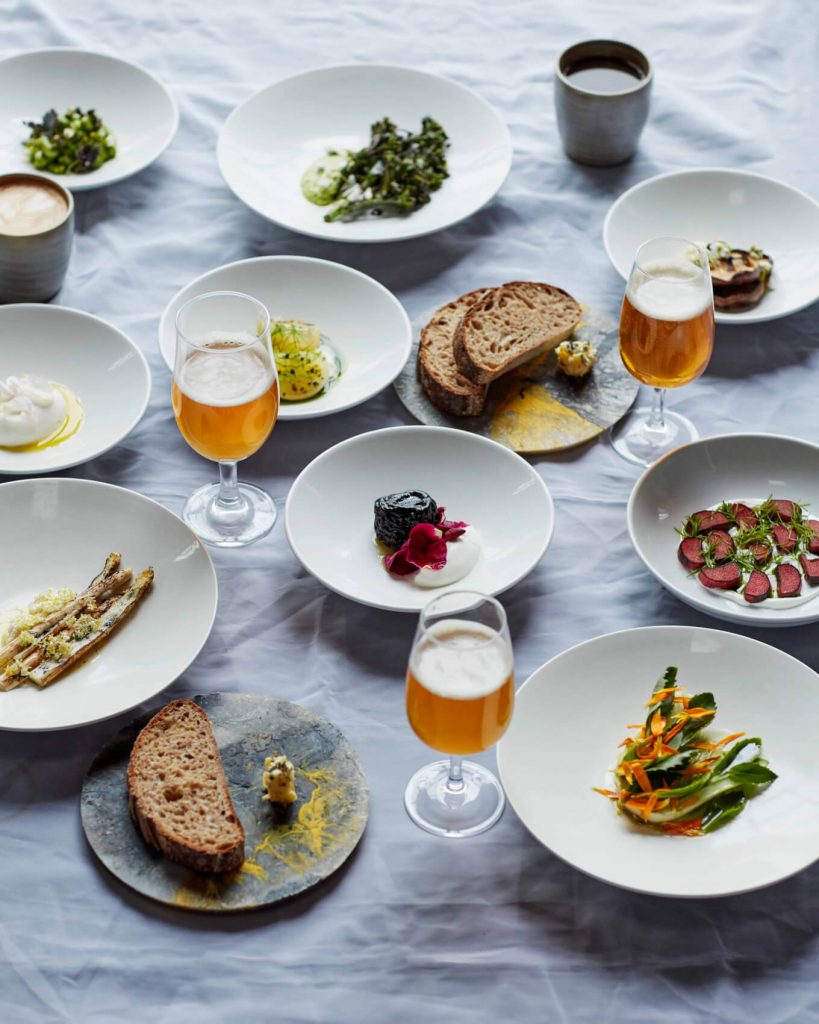
We only use meat from natural farming and rewilding processes. We select the stock that would have otherwise given to waste (from practises like the culling of venison, for example). When it comes to fish, we only source from those still using small boats that catching with nothing more than hook and line.
Obviously, one of your main priorities as a restaurant is to provide great food and drink, but do you also aim to educate the consumer a little along the way?
Education is important, but we don’t aim to educate the consumer necessarily, unless they’re curious enough to ask, that is. Instead, we utilize avenues such as social media, public speaking and, of course, publications such as the New Silo book to try to enlighten people. I don’t like the idea of a restaurant preaching, restaurants are for pleasure.
Can you tell us about some of the other sustainably-minded brands and small businesses you work with?
Oh the list is long indeed. We work closely with as many like-minded people as possible, it’s amazing what you can do acting as a team. We work with the likes of Richard Murray from Food Chain, a network of natural farming including a rewilding project; Bronwen from Neal’s Yard; Ryan Chetiyawardana of Mr Lyan; Empirical spirits; a large network of natural wine producers; Peter Goodwin from Closed Loop Organics and so, so many others.
What was your personal lightbulb moment on the question of sustainability?
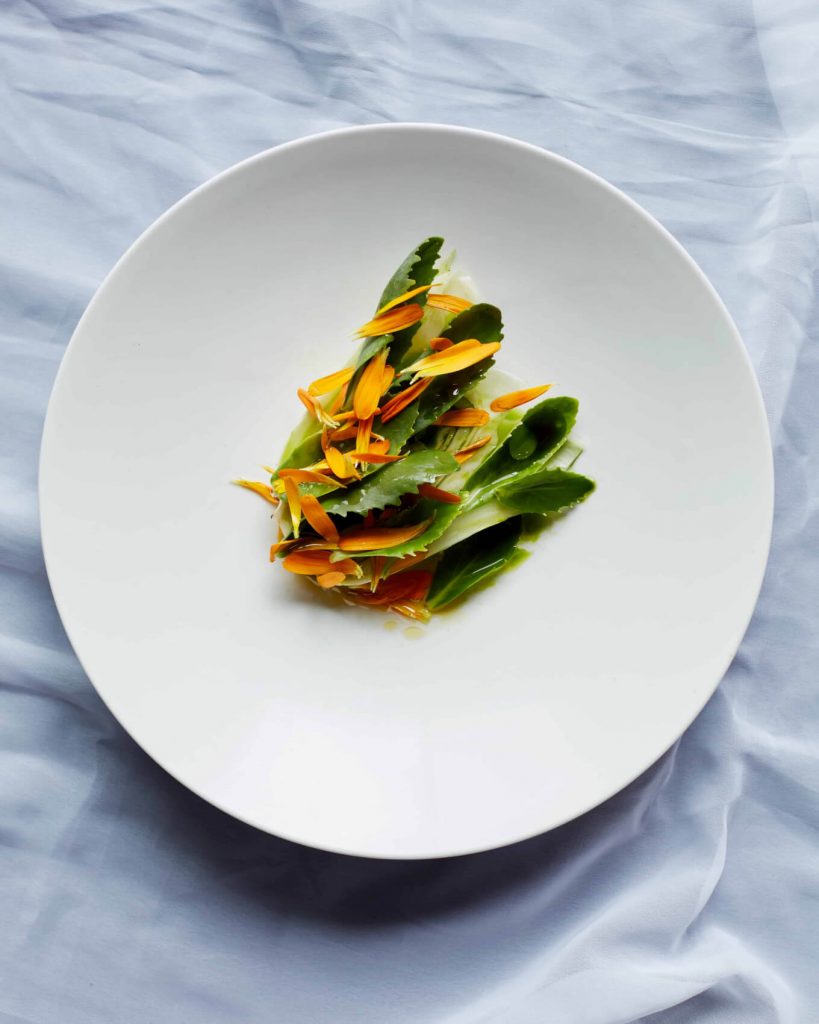
For me, it was the dawning realization that industrial food is dead food. We are alive, on a planet which is also alive: it doesn’t make sense to eat dead food. Not only is living food richer and more diverse, it tastes better.
What can you tell us about Silo’s upcoming move to London?
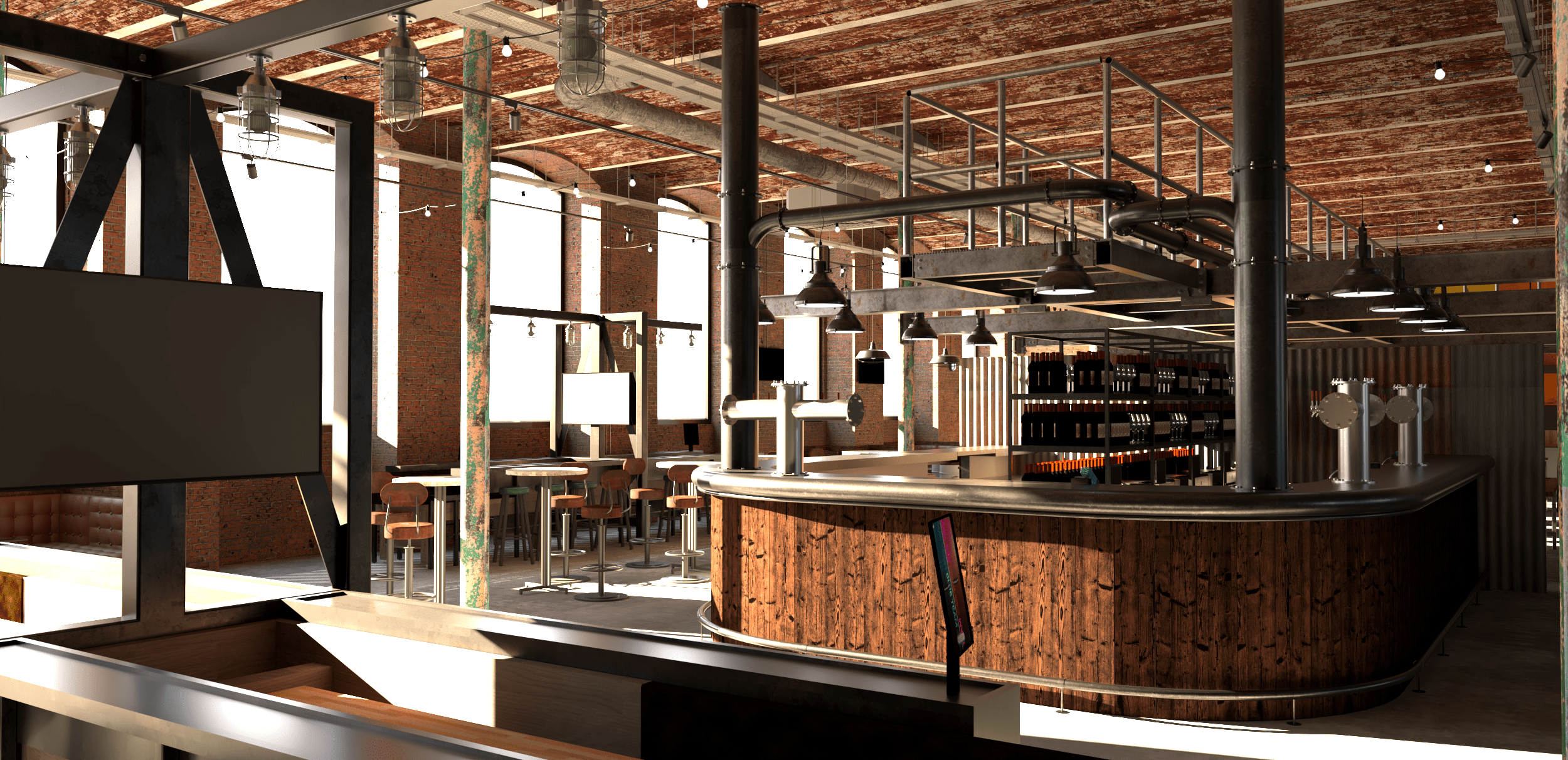
It’s a natural evolution for Silo. We have an amazing team, from management to brewers, designers, to farmers and, of course, our incredible Silo Brighton staff that are also making the move. I couldn’t be more happy to partner with Crate Brewery, I’m constantly amazed by how brilliant they are.
Achieving your crowdfunding campaign must have felt like a huge achievement. Do you think people are shopping more ethically and conscientiously nowadays? Do you think people are more inclined to speak with their wallets?
Good question, I’m not actually sure. I must give all credit to Crate brewery for the crowd funding, it really was all them.
And finally, do you have any tips for those looking to achieve a greater level of sustainability in their own kitchens and beyond?
A big step is bulk buying in reusable vessels. Bulk cooking of sauces, fermenting & pickling helps too. Beyond that, just try to buy food from good places, with local farmers’ markets being the ideal if you’re lucky enough to have one.
For more information on Silo London follow them instagram @silolondon